
Tuntun Children's Hospital is here for every step of your baby's growth journey.

At Tuntun Pediatric Hospital, we don’t rely on symptoms alone.
by comprehensively analyzing clinical symptoms, functional blood test panels, and cardiac imaging results.
We provide tailored, in-depth cardiac evaluations

Kawasaki disease is an acute systemic vasculitis (inflammation of blood vessels) that primarily affects children.
If treatment is delayed, it can lead to coronary artery dilation or coronary aneurysms.

When there is a possibility of heart strain or decreased function,
blood tests can help us indirectly evaluate the heart's condition.
If necessary, we selectively run advanced blood panels to check for heart muscle damage or the severity of inflammation.
추가 Heart Strain를 선별적으로 시행합니다.
※ 모든 수치는 단독으로 판단하지 않으며 증상과 Imaging Tests 결과를 함께 종합합니다.
Assessing whether the heart is under excessive stress
Determining if this is a temporary reaction or a condition requiring further evaluation
Interpreting results alongside structural heart exams to maximize diagnostic accuracy
In cases of unexplained high fevers, severe infections, or strong systemic inflammatory responses,
we measure the level of active inflammation in the body to assess the likelihood of cardiac involvement.
단순 Infection 반응인지
전신 염증이 Systolic and에 영향을 주고 있는지
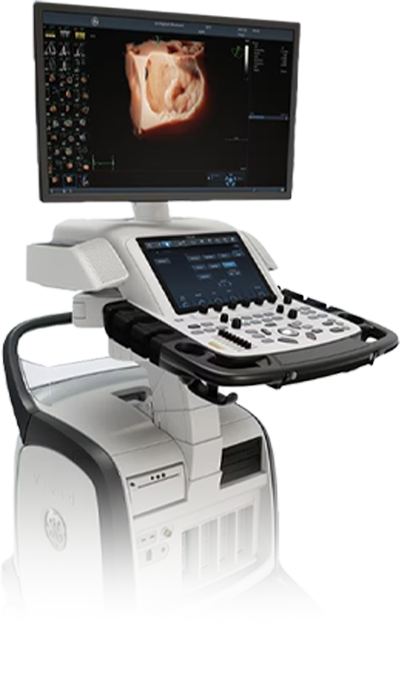
Systolic and Ultrasound는 방사선 노출 없이 Systolic and의 구조·움직임·혈류 흐름을 실시간으로 확인 할 수 있는 안전한 검사입니다.
We perform these tests in a highly precise environment tailored to the unique characteristics of a child's small and fast-beating heart.

Structural Heart
Abnormalities

Systolic and
Diastolic Function

Abnormalities within
the Pericardium

Coronary Artery Size
and Abnormalities

Signs of Inflammatory
Heart Disease
In these cases, we follow a strict minimum-dosage protocol designed for safety and a rapid recovery.
Throughout the procedure, we continuously monitor the child's breathing, heart rate, and oxygen levels in real time.
※ Sedation is only administered when absolutely necessary, and only after a thorough explanation to and consent from the parents.
based on the child's symptoms, physical exam findings, and basic test results.
We first determine if a cardiac evaluation is necessary
Active Observation (Watch and wait)
Proceed with an Advanced Evaluation
by combining functional blood tests with cardiac imaging.
We comprehensively assess the heart's condition
Observation
Initiate treatment or refer to a tertiary care medical center
A pediatric cardiac assessment is never based on a single test result.
We comprehensively evaluate the following factors:
The child's symptoms and clinical progression
Trends and changes in blood test results
Findings from cardiac imaging (echocardiography)
The child's age and overall physical condition
All treatment and management decisions are
made only after detailed discussions with the parents.

In many cases, medical
treatment is not required.
It is common to proceed with
observation alone, without active intervention.
Active observation is itself
a crucial part of ongoing heart care.
 A Message